
Governance, it's shifting on its axis
- Perrin Carey

- Jun 5, 2020
- 2 min read
I'm reading a number of books at the moment.
I've been a 'reader' for some time now, but I have not always been like that.
Remembering my childhood, I recall that reading, to me, was a punishment. At school, it was the 'naughty kid' who had to read aloud in class.
I quickly learnt to behave so that I would not have to suffer the humiliation of reading to the rest of my peers and be laughed at.
By the time I was 15, and having been tested, my reading age was 5 years behind, and it didn't recover until I was in my late 20s.
That was a tragedy in my early education.
Now I read as often and as much as I can.
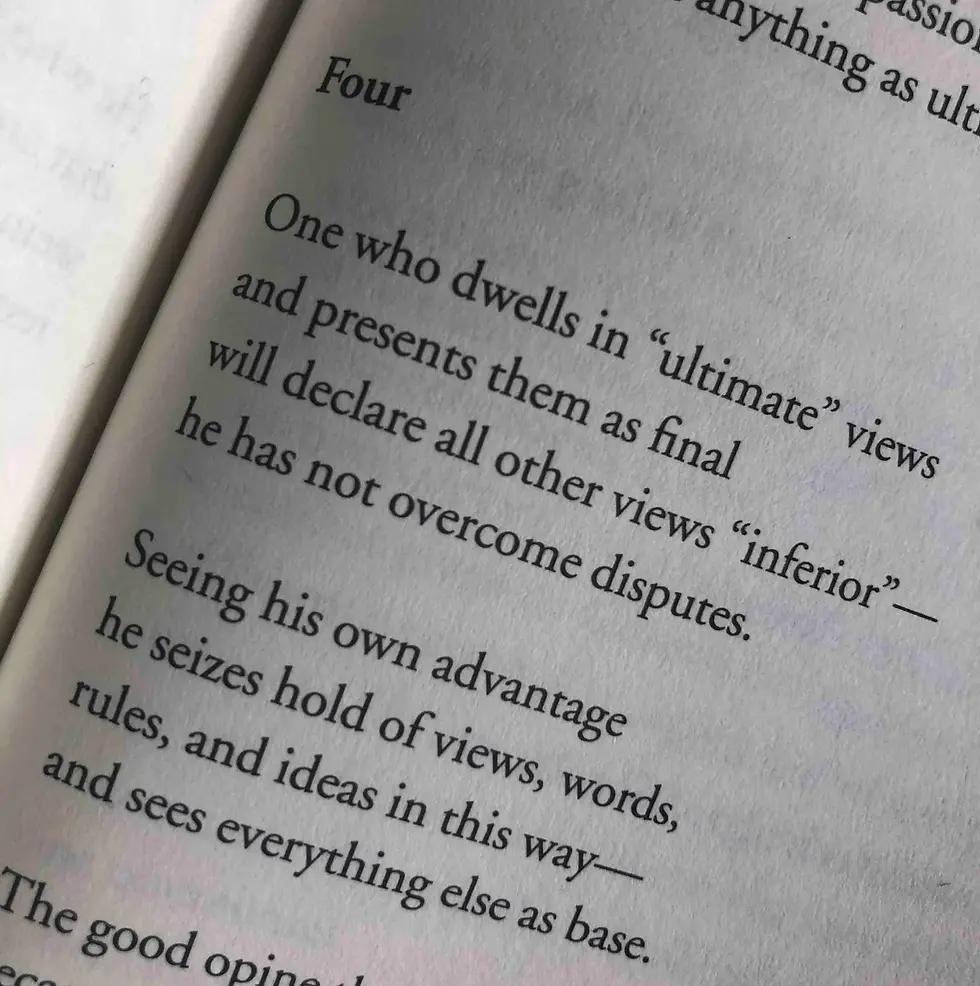
One of the literary pieces I'm meandering through right now is by Stephen Batchelor, a world-renowned Buddhist writer. It's entitled 'The Art of Solitude', and within it he follows the form and structure of one of the earliest Buddhist writings, the 'Chapter of Eighths'.
He has translated this manuscript, and here is Four Eights, Chapter 4.1-8
One who dwells in "ultimate" views
and presents them as final
will declare all other views "inferior" -
He has not overcome disputes.
Seeing his own advantage
He seizes hold of views, words,
rules, and ideas this way -
and sees everything else as base.
Obviously, this has meaning in life generally, but let's consider how this type of person may influence a boardroom, a marketing committee, or a risk and compliance meeting.
One of the roles we have as governance, risk and compliance professionals is to not only manage processes, but also manage people or more accurately, manage people's behaviours.
So much of governance has sadly become about policy, process, system and control when the real key to 'good' governance comes from the positive influence we as professionals can have on the culture and people within our organisations.
When making decisions,
When discussing problems,
When considering strategy,
When determining the direction we are to take,
We need to be open to the ideas of others,
We need to listen to our colleagues openly,
We need to not look for our own advantage,
But to the route and decision that best suits our organisation, and all its stakeholders.
Governance is changing,
It's beginning to shift on its old axis of shareholder primacy,
It's moving away from a checklist approach,
It's looking hard at the influencers in organisations, and
It's looking to enhance the relationships between business and society.
Are you open to this change?
Is your Board ready for this shift?


Comments